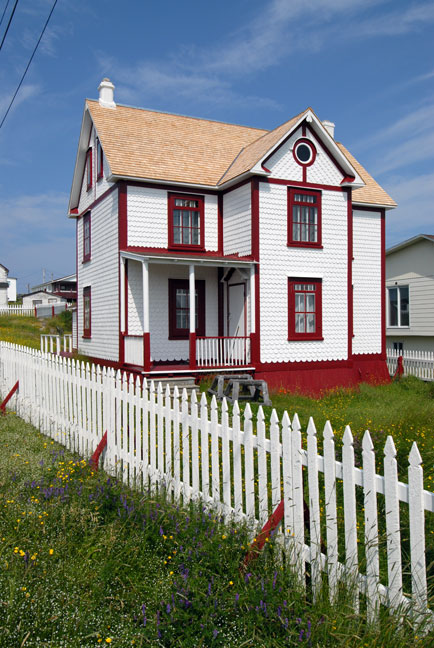
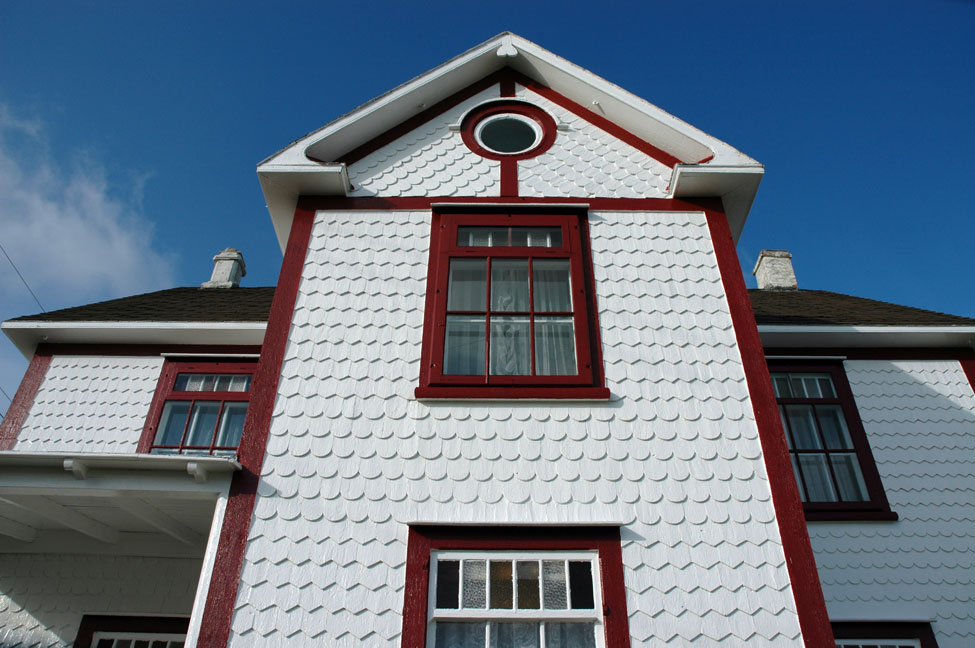
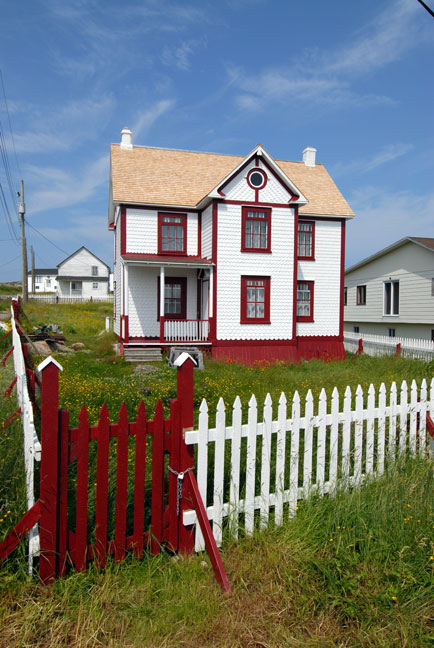
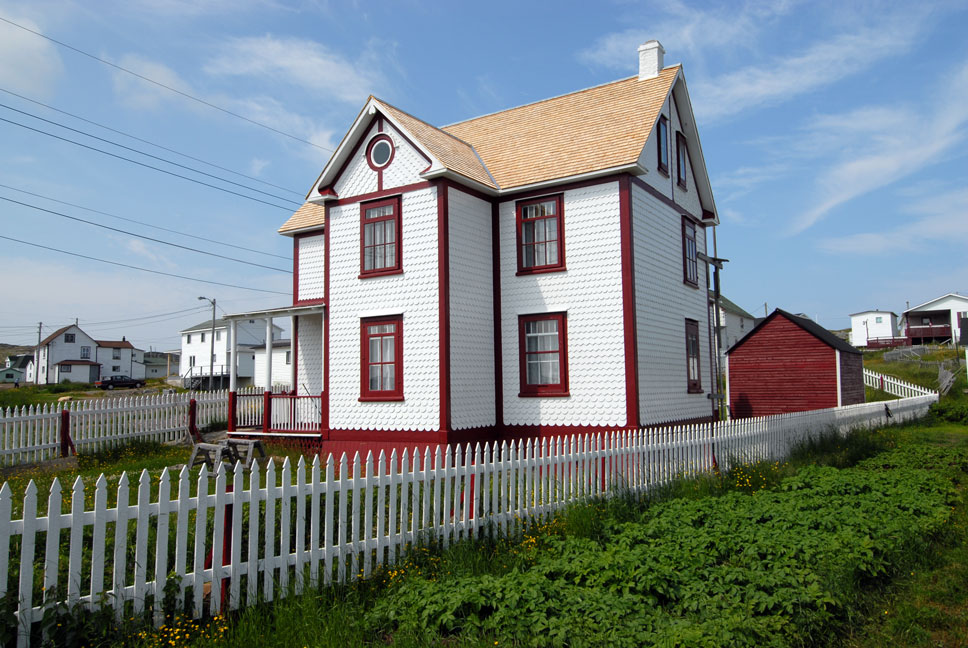
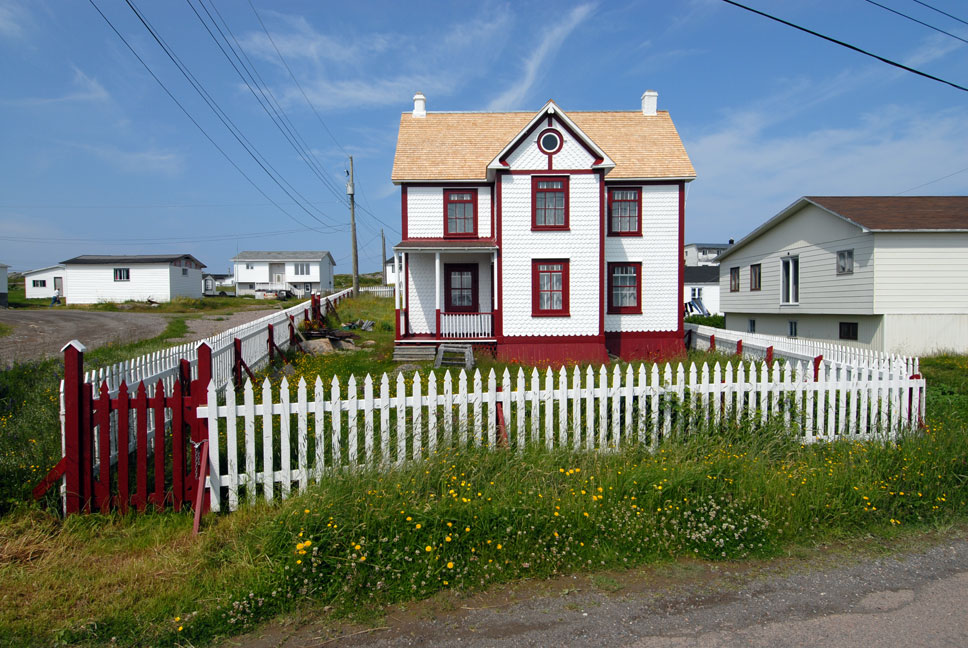
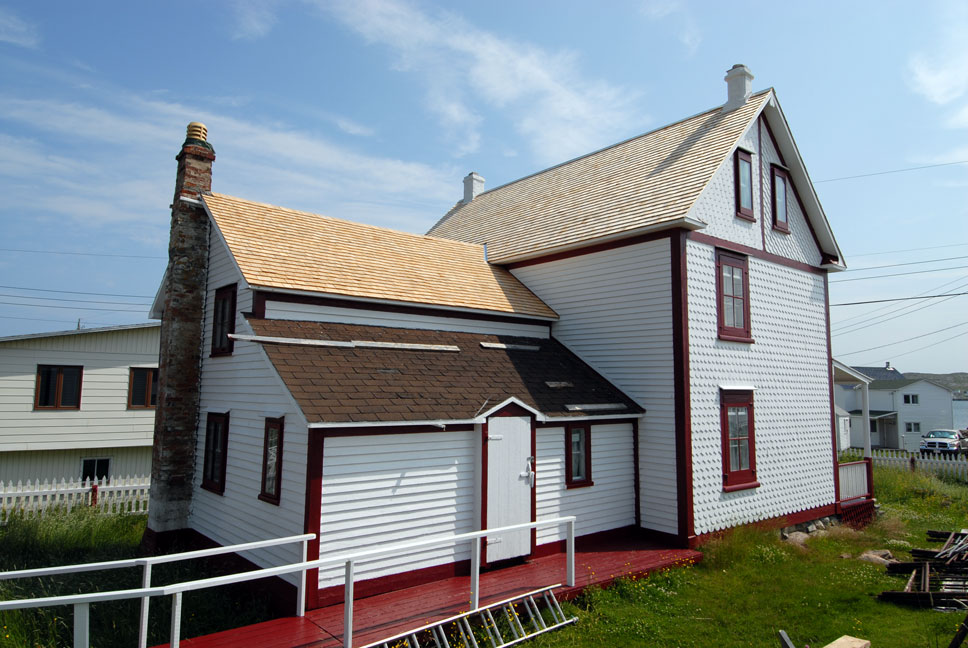
The Brett house was constructed in two parts: an old hall and parlour plan house originally constructed by John Brett in 1877 which is presently the back part of the house, and a new front addition constructed by his son Charles Brett in 1909, a fisherman who was also in the naval reserve before and during World War I. I volunteered my assistance on this project, advising on the repair and restoration of the exterior of the house, the grounds, and the outbuildings. I also assisted with curatorial and visitation issues and on the protection of the interior and artifacts. I presented a paper on the Brett House and premises at the 2007 Vernacular Architecture Forum (VAF) conference in Savannah, Georgia.

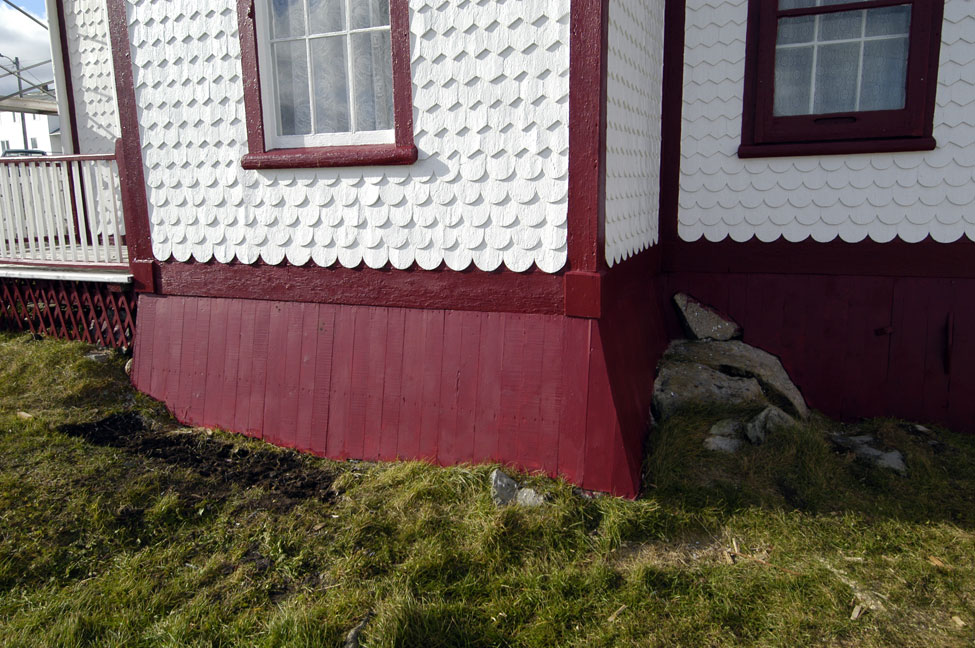
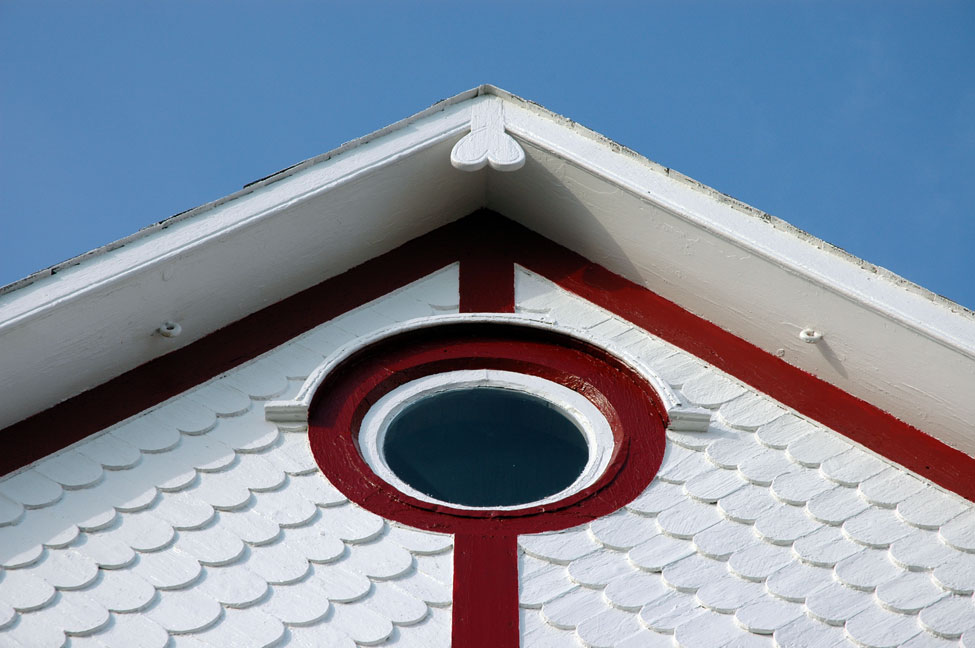
What is especially interesting about the Brett house is the sheer quantity of artifacts on the premises, even though many items now reside elsewhere with the Bretts' descendents. Furniture, hooked mats, dishes, books, and family photographs abound in the house. The house could also be featured as a museum of early twentieth century linoleum patterns. The outbuildings contain some items of furniture that were once in the house, and also many tools and items relating to the inshore fishery. The restoration objectives were to stabilize the structure and prevent further deterioration of the exterior and interior (there were some roof leaks in the past that caused damage to artifacts and finishes), and to reinstate certain historic features (skirting boards, storm windows, wood shingles for the roof). The objective was also to inspire a local heritage conservation effort for this project and for other structures/premises in future, as the restoration of the Brett House is one of the first heritage conservation projects in Joe Batt's Arm. A conservative approach with minimal intervention informed decision making for every aspect of the restoration work. Scroll to the right for photos...

home